
Concern
Acne and Acne Scarring
Acne is a common skin condition that can affect people of all ages. For those with residual scarring or congestion, a range of clinical treatments may help to improve the appearance of skin texture and clarity.

Signs you might notice
- Active breakouts
- Blackheads and congestion
- Post-acne marks
- Textural scarring
- Uneven skin surface
Treatments that may help
Individual results vary. Your nurse prescriber will recommend the most appropriate option for you at a consultation. A booking fee applies and is redeemed against any in-clinic treatment taken within 12 weeks.
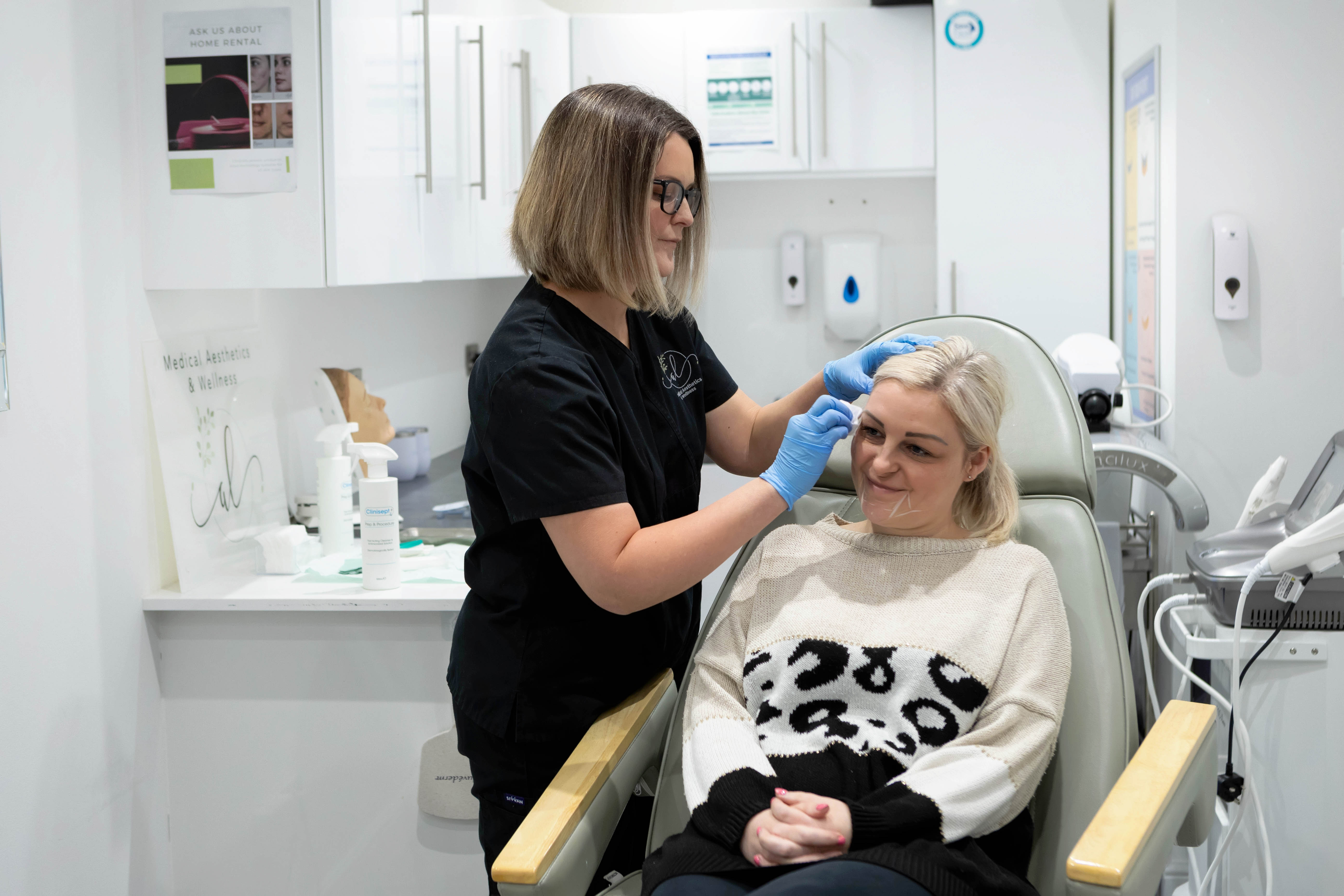
Skin Treatments
Microneedling
A controlled skin resurfacing treatment that may help to improve the appearance of skin texture, acne scarring, enlarged pores and early signs of ageing.
Find out more → Skin Treatments
Radio Frequency Microneedling
Combines microneedling with radiofrequency energy to support deeper skin remodelling, which may help to improve the appearance of skin laxity, texture and scarring.
Find out more →
Skin Treatments
Chemical Peels
Professional-grade chemical exfoliation treatments that may help to improve the appearance of skin texture, tone, pigmentation and congestion. Available in varying strengths.
Find out more → Skin Treatments
Teen Skin
A gentle, medically guided approach to supporting skin health in younger clients, addressing concerns such as acne, congestion and skin confidence.
Find out more →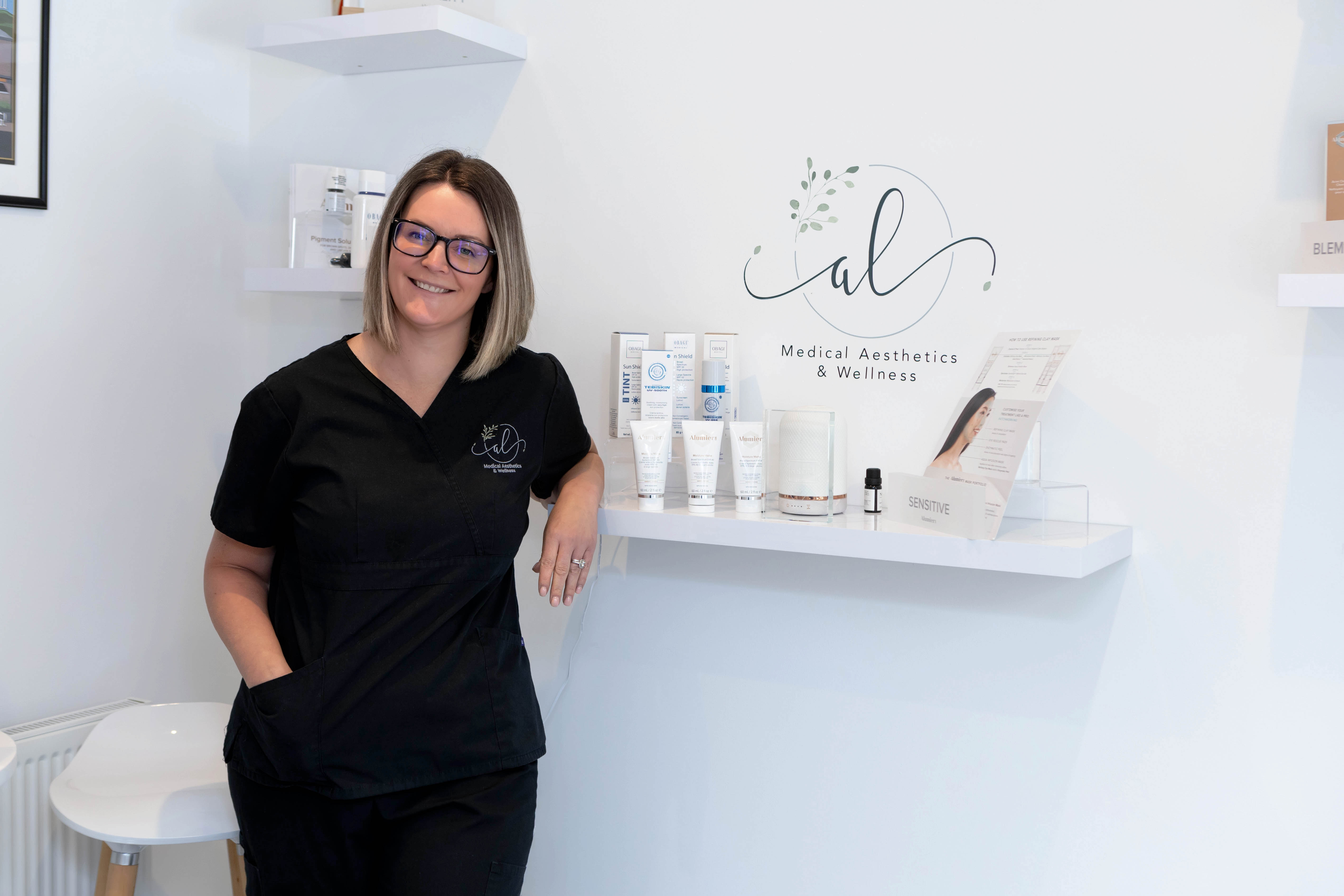
Skin Treatments
Obagi Prescription Skin Care
A range of medically prescribed skincare products designed to support skin health and address concerns including pigmentation, ageing and acne.
Find out more →Frequently asked questions
Can aesthetic treatments help with active acne?
Some treatments, such as LED light therapy and certain chemical peels, may help with active acne. However, a clinical assessment is required to determine the most appropriate approach.
How many sessions are needed for acne scarring?
This depends on the severity of scarring. A course of 3-6 microneedling or RF microneedling sessions is commonly recommended for textural scarring.